THE GROUP SHOW
Wombat State Forest, Ballarat VIC 2014
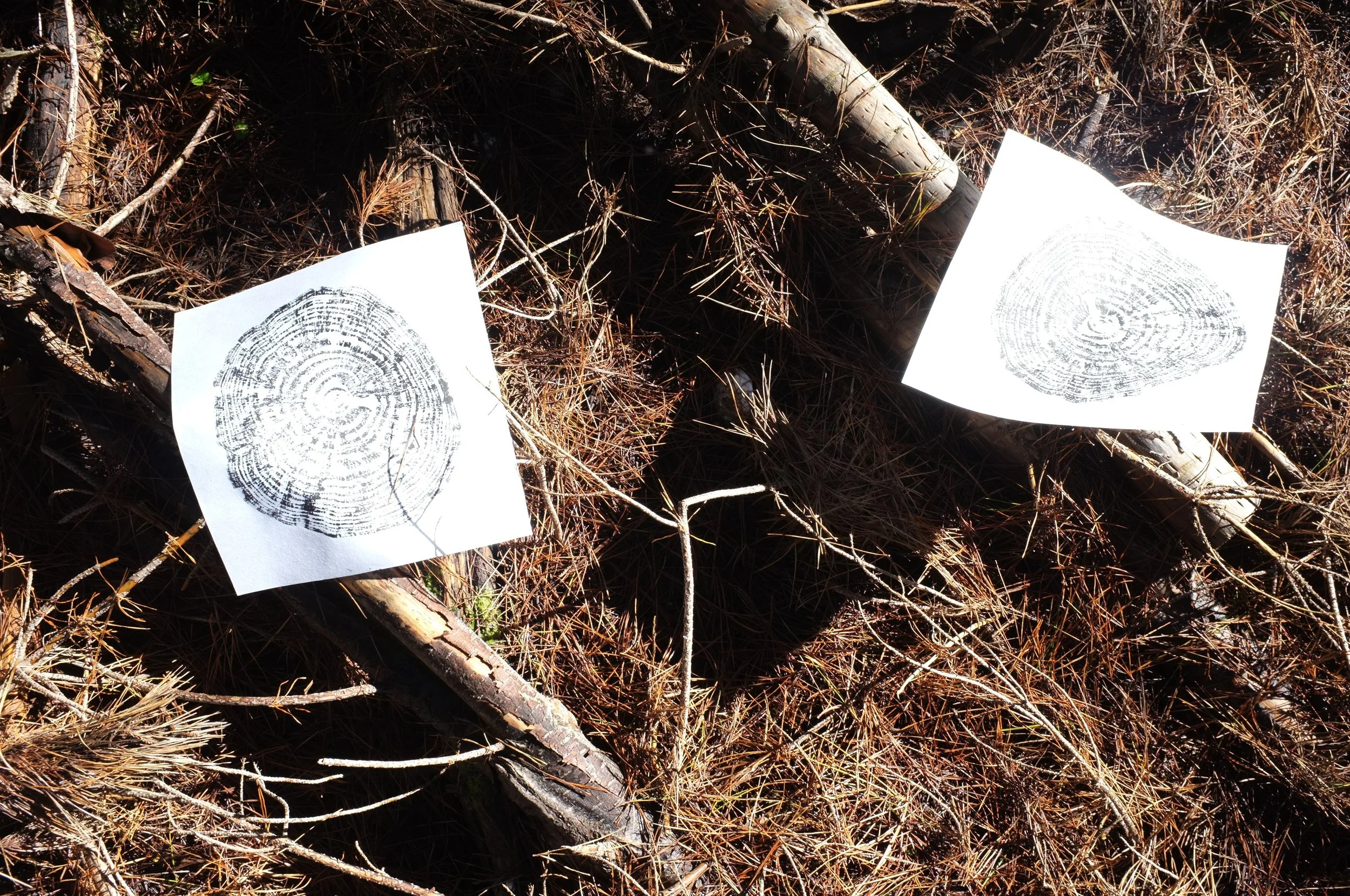
The previous autumn we went northwest to a forest, searching and learning how to forage.
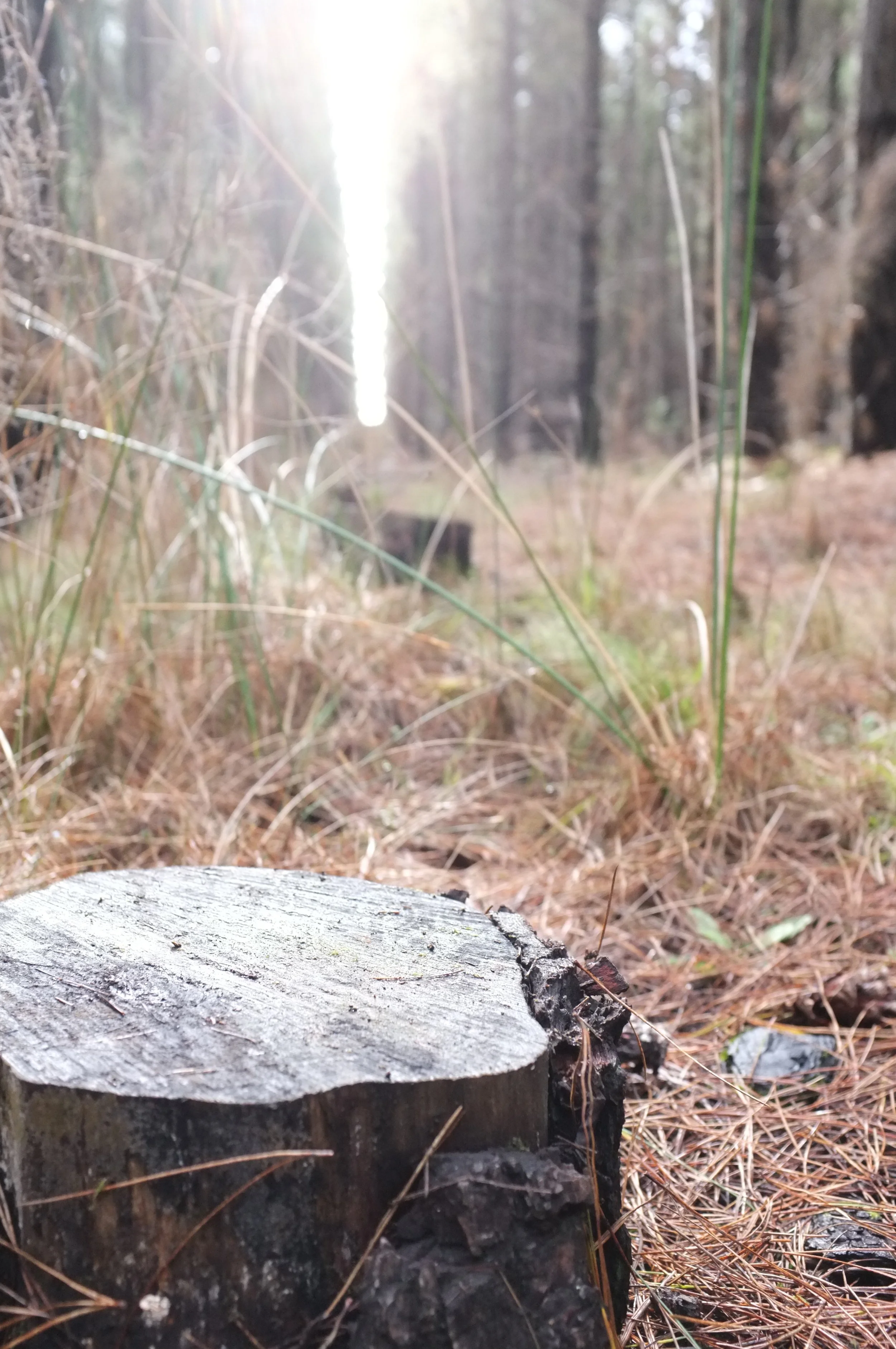
Searching for fallen trees is a lot like foraging — you have to read the landscape for subtle changes. A slightly larger opening in the canopy. A vacant space in the distance. A human disturbance or track that can ultimately lead to a stump. This part of the process can take forever. There is a lot of forest out there.
It was enchanting. This particular forest was more like an arboretum, initially planted by John La Gerche in the late 1800s — a pioneer forester who planted over 100,000 seedlings personally. Oaks, planes, poplars, eucalypts, and various other species.
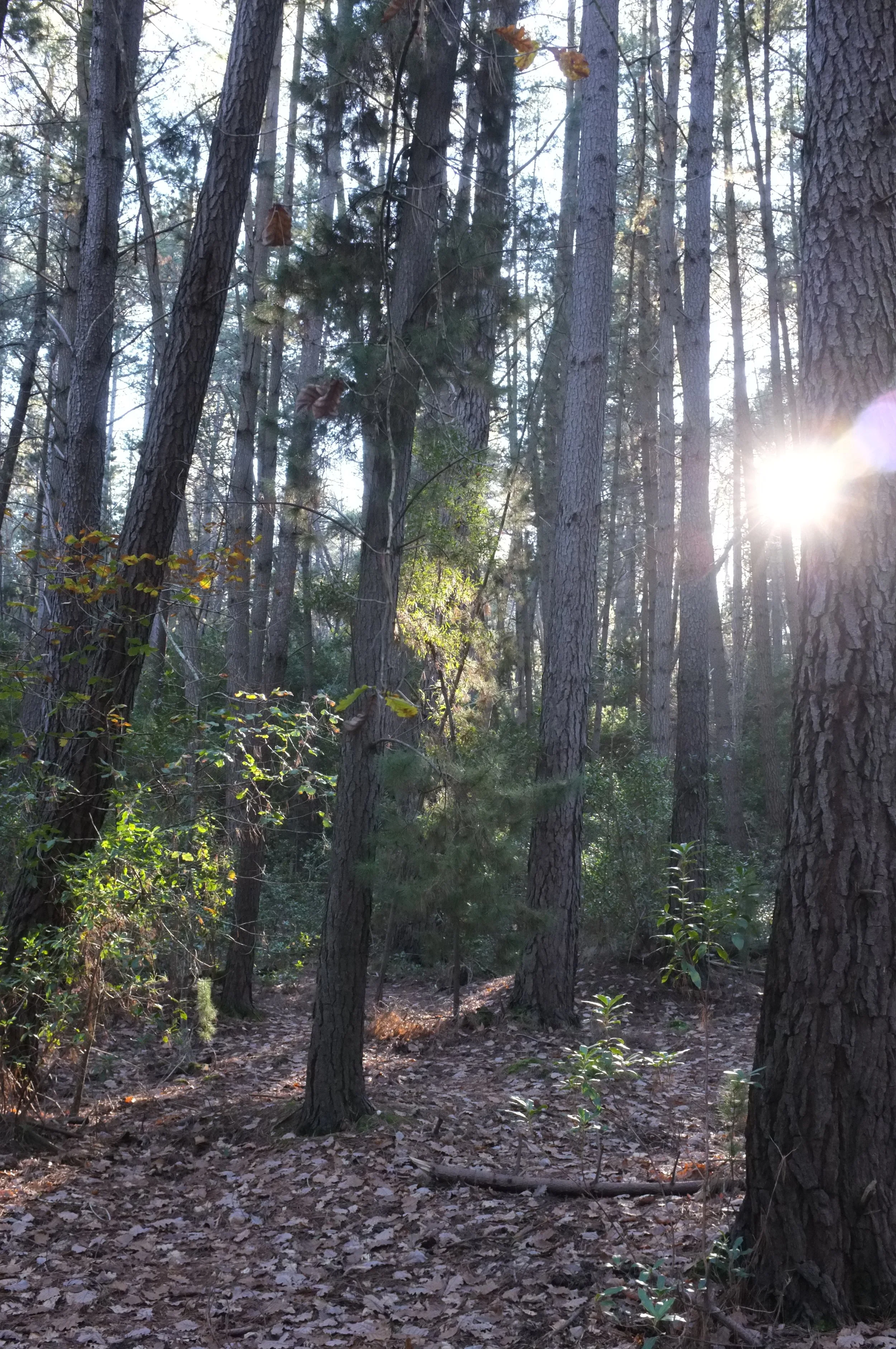
Being exposed to so many varieties in such close proximity was something else entirely. Broadleaf deciduous trees create a gorgeous atmosphere.
This was where I camped.
The plantations began where the arboretum ended. Not far from there were young rows of pines, some cut, some standing.
I had been in deep contemplation about this for a while. I wanted to name them all — the trees I would print. The struggle was that generalising them by species didn't align with my beliefs. Here we have an entire globe where once a tree stood, or will stand, as an individual. They deserve more than a collective name.
Where they stand. The coordinates. With time and place, even if another tree takes its place, they won't have the same growth rings. Their carbon dating will be different. Their life experiences will tell a different story.
So while I was walking through different sections of the plantation I was watching my phone, noticing on my maps the coordinates changing degrees ever so slightly. This for me was exhilarating. The concept was taking shape. The desired outcome was working.
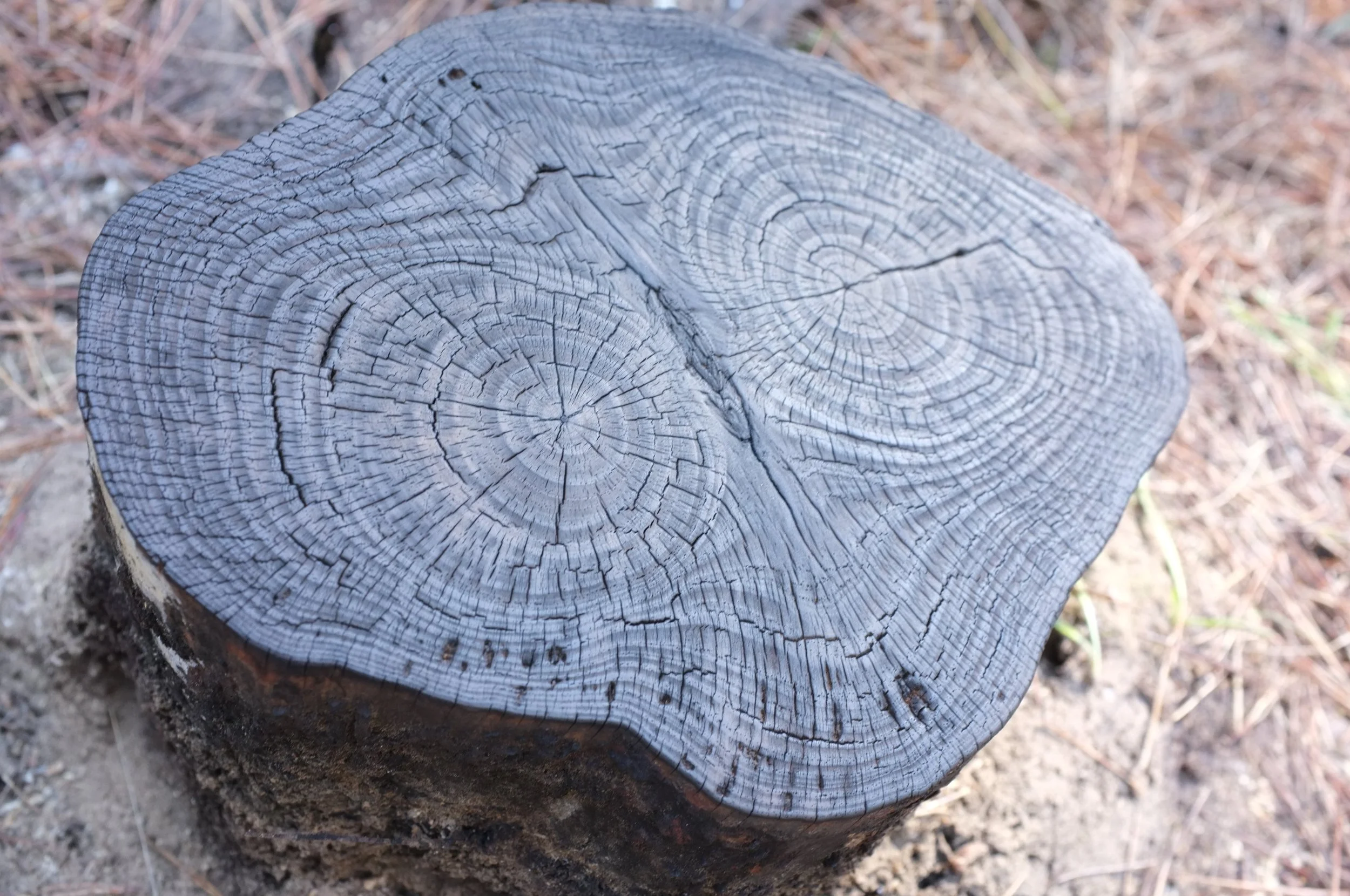
Capturing the lives of trees in different areas, with different growth patterns, different locations — showing their uniqueness.
The rush of that realisation will forever stay with me.
I created five small works. Really small. Each tree would have been under twenty years of age before harvest.
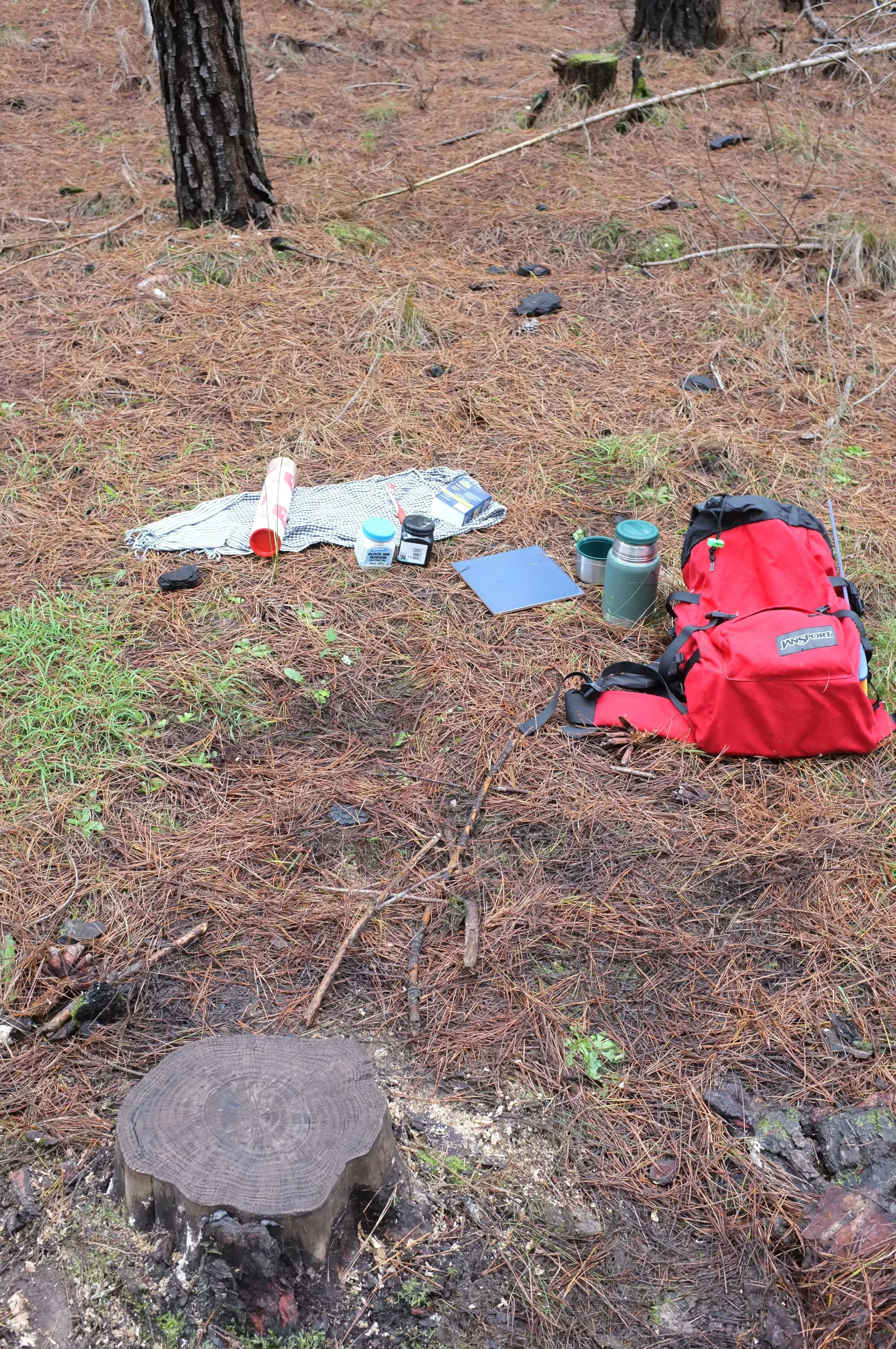
This was my first real taste of the practice in the field. Hours outside in the cold, using hand tools, exposed to the elements. I noticed the difficulties of simple things — a heavy breeze, a light drizzle, even too much sun. They all have an effect on the ink, the paper, the space.
The show was two weeks away. I screenshotted my maps and a photo of each tree for reference. When I got home and the works had dried, I signed and marked each one with their coordinates — like a field note entry. Not a title. Just a reference. I've always loved the visual documentation of nature. This made sense.
I framed them as best I could. Simple frames, nothing precious — the works weren't ready for that yet and neither was I.
The self-doubt crept in right about here. As the opening date grew closer, so did my fears. I'd never really put myself out there in this way. I felt exposed. Fraudulent. But then the reframe came — I wasn't an artist, I was a translator, for the forest.
This eased everything. It wasn't for me. It was for them. I was just the conduit.
Opening night came around. It was busy. None sold. I didn't care and I didn't expect to either. I was glad it happened and glad it was over. Time to go back to the maps, search for new destinations, look at my pack and plan the next trip.
I remember leaving that forest. I noticed a stump. It was big. Too big? I'd have to find out.